Easiest High Protein Low Carb Peanut Butter Cookies

Since it is Valentine ’s Day, I thought I would share a simple, quick (anyone can bake these) yet, nutritionally high in protein and low in carbs recipe, one that you can use for breakfast, post-workout or even as a snack. This recipe is gluten free and has omega-3 fatty acids and B-vitamins, additionally, cinnamon can help regulate blood sugars and prevent sugar crashes in the body.

This recipe uses primarily three ingredients plus a few spices; of course, the nutritional value will change if you add or substitute ingredients, for example if you add any chocolate or other forms of sweeteners.


What you’ll need to bake this healthy peanut butter goodness

pb-cookies


1 cup Splenda baking blend (if you decide to use other forms of sweeteners, nutritional value given below will change)

1 cup no-sugar-added creamy peanut butter

1 large egg

1 tsp cinnamon

1 tsp vanilla

1 pinch of salt


How to bake them?

Preheat oven to 375 degrees F. Coat the baking sheet with nonstick cooking spray.

In a bowl, stir together all ingredients. Using your hands, roll mixture into 1-inch balls; place 2 inches apart on prepared baking sheets. Flatten each ball slightly with a glass and then use a fork to imprint the dough so when it is baked, it will look like you bought it from the store! (You can add some chocolate chip or sprinkles, if you do, the nutritional value given below will change)

Bake about 8-9 minutes if you want softer cookies or 10-12 minutes for a crunchy version or until edges are set and bottoms are lightly browned. To ensure they are done, test the center of the cookie with a toothpick, if the pick comes out dry, your cookies are ready to be taken out of the oven. Cool them on a cooling rack and serve them once room temp!


Each medium size cookie will yield 125 calories, 3g of carb, 6g of fat, and 3.5g of protein. You should be able to prepare 10 medium size of 20 small size cookies from the ingredients.

High Protein Strawberry and Chia Vanilla Smoothie

Working out in the daytime hours vs. evenings/late evening hours has always been a subject of much debate. However, if you are like me and are only able to workout in the late evening hours either due to preference, lifestyle, or work schedules, there are ways to prepare your body, primarily the hormones to work in sync with the training session so that you are able to achieve the desired results form your gym session irrespective of the time of the day. The theory behind evening workouts not being somewhat successful comes form the understanding that as the day goes by, our body’s metabolism tends to slow down while at the same time, we have certain hormones in the body that have their own circadian rhythm, thus, preventing our body’s from achieving maximum results from the training session. So, how does one workout in the evening and get great results? Nutritional choices post training is the only way to go about tackling the hormones and revving up the metabolism . Mainly, addition of good fats and vitamin C as, these two nutrients will help melt some of the belly/abdominal fat, reduce the effects of hormones such as cortisol from storing additional belly fat, allow the muscles to recover, and promote a restful night. Moreover, the key is to manage your nutritional choices post-workout such that the liver stores are replenished thus allowing the body to use amino acids (proteins) to build and repair, thereby allowing you to see gains.

 smoothie

Recipe for High protein strawberry chia smoothie:

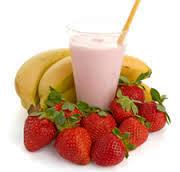
Blend 1 cup of fresh or frozen strawberries, 1 banana, 1 tsp vanilla, 2 tbsp Chia seeds, 2 cups unsweetened coconut and almond blend milk.

This smoothie is dairy free, high in protein, high in omega-3 fatty acids, and vitamin C. If working out late evenings is your preference, adding some good fats and vitamin C post-workout will allow you to see gains easily since our bodies tend to slow down as the day progresses so, a boost of the right nutrients will rev up the metabolism and allow you to benefit from the training session at the end of the day while helping you sleep better after. This smoothie is also rich in potassium, so, will help you recover easily and allow muscles to repair in time for your next visit to the gym. Lastly, this smoothie has the perfect blend of proteins and crabs that will allow the liver to replenish glycogen (storage form of carbs in the liver) thus, allowing the body to utilize the proteins to repair and build muscles.

Please note this article is not meant to diagnose, prescribe, or treat any health conditions but merely an educational platform. Any suggestions you follow must be consulted with your health professional and should be followed only after you have been recommended to do so.

For more articles, health/wellness updates, and healthy recipes, follow this blog, or you can find me on twitter @drsahuja, Facebook @ Medicinal Nutrition Doctor, LLC, or Instagram @drsamndllc

Happy Diet- Foods that can Elevate your Mood!

diet

I often get asked if the notion that certain foods can elevate ones mood may be true, the simple answer- Yes! Before I explain how and which foods can help one change their mood and possibly feel better, I will briefly describe the various hormones in the body that have some correlation with us feeling happy. Of course, there are numerous hormones in the body that affect our mood cycles in general, for example, in women, estrogen plays a huge role in affecting their mood cycles, similarly, in men, one can state that testosterone may have a role to play as well. Therefore, for the purpose of this article, I will restrict to the “happy” hormones. The primary “happy” hormones are dopamine, endorphins, serotonin, and oxytocin. Some may argue that adrenaline should be on this list as well, however, adrenaline is more called upon during a flight-or-fight response and typically, adrenaline will leave one feeling excited with a surge of energy which is quite temporary as opposed to feeling happy. Of the four mentioned above, dopamine levels can be easily altered by food choices or lack thereof.

Endorphins: These are the body’s natural painkillers. One of the best ways to increase body’s endorphins is to exercise, especially, allowing the body during exercise to enter the anaerobic zone. Anaerobic exercises such as weight training allows us to make more endorphins, thus, helping regulate both mood and body aches/pain. Foods that raise endorphins: dark chocolate and spicy foods. Spices can react with receptors on our tongue and send signals to the brain that appear identical to pain stimuli, thus, forcing the release of endorphins to allow the body to combat that pain, in this case, triggered by the spicy aftertaste.

Dopamine: This one is one of the body’s most “happy” or “pleasure” hormone. This hormone can not only allow us to feel elated, but also, motivate us to accomplish goals such that we can feel the pleasure of receiving the rewards. There are quite a few foods that can increase the levels of dopamine in the body. In addition to foods, both, goal setting practices and exercise, mainly, one in which you have set a target, distance, and/or time-goals, once achieved will help you feel the effects of dopamine in the body. Foods that can raise levels of dopamine are: foods rich in omega-3 fatty acids (salmon, avocado, walnuts, dark chocolate, egg yolk), fruits (bananas, berries, watermelon), vegetables (leafy vegetables, broccoli, sweet potatoes), and lentils/beans. A diet rich in proteins will help elevate the levels of dopamine by allowing the body to use the dietary amino acids to produce more dopamine, therefore, low fat dairy, lean meat, and eggs are known to raise the dopamine levels the most among all other foods. Adding some of these both, pre and post workouts can help you achieve the desired goals while feeling “happy” and/or rewarded. One thing to keep in mind, restricting carbs can negatively impact dopamine levels in the body, so, while it is advised to restrict or rather consume simple sugars/carbs in moderation, adding some whole grains to the diet will help maintain dopamine levels in the body.

Serotonin: This hormone is an overall mood booster, meaning, an absence of serotonin can lead to feelings of depression, irritability, mood swings, and feeling less sociable. The two best and most productive ways of increasing serotonin are low impact exercises such as stretching, walking, swimming, and yoga. Adding some weights to your exercise routine will allow serotonin to linger in the body post workout. Getting some sunlight can also boost levels of serotonin, but, the best method to help increase levels of this hormone in the body are adding foods that are a combination of good carbs and protein, for example, having your cereal with milk, rice and beans, egg with a whole grain toast, apples with almond/peanut butter. Such combinations will allow the amino acid tryptophan to be converted to serotonin in the body thus, elevating mood and over all state of mind.

Oxytocin: This is also known as the “love” hormone. Typically, nursing mothers produce oxytocin as it assists with production of breast-milk. This hormone allows the body to feel relaxed, protected, and nurtured. Oxytocin is also called the “hugging” hormone, meaning, just a good old hug can help your body make some oxytocin. Foods rich in good fats can create a relaxing environment for the body, some studies have suggested that foods high in certain fats like omega-3 fats (olive oil, nuts, salmon, avocado, dark chocolate, flaxseed or flaxeseed oil) can indeed raise the levels of oxytocin as well.

“You are what you Eat”- Literally! Add some happy foods to help you feel happy from the inside out!  An antidepressant may treat the symptoms temporarily and raise some of the hormone levels discussed above, only to result in a craving for more and before you know it, an addiction to these drugs has developed. Instead, try one of the above foods and add some exercise to the routine and hopefully you will feel genuinely happy with your health!

Please note this article is not meant to diagnose, prescribe, or treat any health conditions but merely an educational platform. Any suggestions you follow must be consulted with your health professional and should be followed only after you have been recommended to do so.

For more articles, health/wellness updates, and healthy recipes, follow this blog, or you can find me on twitter @drsahuja, Facebook @ Medicinal Nutrition Doctor, LLC, or Instagram @drsamndllc
Sugar detox plan- a doable one!

images-1

We all have heard countless times that sugar is the biggest culprit. Yes, it’s true, on a daily basis sugar can be the cause for achy and tired muscles, mood swings, fatigue, migraines, and lethargy. On a long term basis sugar can be the reason for heart disease, type 2 diabetes, dementia, alzhimers, acne, and of course, obesity. We all have also heard of the countless social media driven sugar detox plans, some good, some not so clinically supported and rather a fad. Before you begin any detox, remember to ensure that you’ve discussed it over with your health professional, but more importantly that you have been explained the differences between certain nutrients and their effects on the body. For example,  not all carbs are bad and eliminating gluten does not always lead to weight loss. Similraly, an understanding of what sugar does and where it’s found in foods is crucial. So, back to a sugar detox, start by aiming for a two day sugar free lifestyle and by that I mean cutting out the obvious, soda, desserts, ice creams, candy, cakes, and fancy coffee beverages. When I say sugar free, I do not encourage you to consume any Splenda, equal, etc. These products will result in more weight gain and health issues later in life. Two days without sugar may not seem long at first but, will feel harder to deal with especially, if you are someone who loves their sugar laden  beverages and desserts. So, to cope with the withdrawl, add some high good fat and protein based foods that will help you stay on track. Examples, avocado,  nuts, low fat dairy. After the two days of obvious sugar restriction, make the next two days focused on hidden sugar restriction, meaning, eliminate the foods that sound healthy but are truly a sugar den. Example, flavored yogurt and water, juices, fruit bars,  protein bars that have more sugar than protein. Once you’ve successfully achieved that, now, start stabilizing your sugar habits, meaning, if you must intake some, ensure that per serving of the foods you consume it has no more than 12-15g of sugar each. Secondly, ensure that each of those foods have fiber, good fats, and proteins, example add some nut butter and fruits, the combo of fiber, proteins, and healthy fats will help slow the absorption of sugar thus preventing a sugar crash and more cravings. Once you’ve learned to intake sugar in moderation, you will see the wrinkles disappear,  the muscles strengthening,  aches and pains gone, mood is better, and overall you feel stronger. Please note, this is not a post on carb detox, just sugars.

Dr. SA ~ MedicinalNutrition Doctor, LLC

What is the Best Time of the Day to take a Vitamin Supplement?

Vitamin Supplements, as the name suggests are a supplement, meaning an add on to the diet, however, for most healthy individuals, the vitamin and mineral intake MUST come from their diet. I will make another article going over the many clinical/medical reasons for avoiding supplement intake, especially, if you are someone who is healthy and without any serious chronic health concerns. Now, if you are someone who has been prescribed or recommended to take a vitamin supplement, in order for you to get the maximum benefits, in other words enhance the “bio-availability” of the supplement, certain factors much be considered. For example, when supplements are taken with certain foods, like, foods rich in fiber, chances are the supplement will bind with the fiber and become less available or in some cases unavailable for absorption in the blood stream. Similarly, taking a supplement with tea or juice, especially grapefruit juice can interfere with the bio-availability of the supplement. Another factor that affects vitamin supplement absorption in the blood stream is the levels of hydrochloric acid in the stomach, reduced production or concentration of this acid can lead to lower absorption of certain vitamins, leading to in some cases, severe nutritional deficiencies.
So, that brings me to the important question, what would be the best time of the day to take your supplement? Firstly, I would recommend that you have your health professional provide you with such individualized recommendations based on other OTC and prescribed medications you may be consuming, because, certain medications may bind, inhibit, or interfere with the absorption of your vitamin/mineral supplement and lead to adverse reactions in the body. In certain cases, it may be the reverse, which is the supplement may interfere with the actions of the medication, thus, resulting in diminished performance of the drug or leading to unnecessary side effects. That brings me to the best time to take a supplement for most of us not concerned with reactions between supplements and prescribed drugs, the rule of thumb is to always take your supplement or meds with plain water to avoid nutrient-nutrient and nutrient-drug interactions. Secondly, it is a good practice to avoid drinking tea, coffee, milk, or other forms of beverages within a two hour period of having consumed your supplement. Another factor that must be considered is if your supplement may be a time-released formula, if so, again, the best recommendation is to visit with your health professional because you do not want the release of the vitamins and minerals to interfere with other drugs especially, when asleep. Try to avoid taking supplements on an empty stomach, especially the ones that have fat soluble nutrients like vitamins A, D, E, & K, since these require some fat in the diet for absorption but also, can result in indigestion and irritating the stomach lining causing discomfort. Additionally, with any fat-soluble vitamin there is a risk of toxicity from excess build up. The best time to take a supplement can come down to personal preference, however, taking it right before bed time may be the most lucrative because when we are asleep, our body is in growth and repair mode and therefore, due to the production of certain hormones like the growth hormone, absorption and utilization of these supplements is maximized.

As always, please note this article is not meant to diagnose, prescribe, or treat any health conditions but merely an educational platform. Any suggestions you follow must be consulted with your health professional and should be followed only after you have been recommended to do so.
For more articles, health/wellness updates, and healthy recipes, follow this blog, or you can find me on twitter @drsahuja, Facebook @ Medicinal Nutrition Doctor, LLC, or Instagram @drsamndllc

Memory Enhancing Nutrients

It is no surprise that our diets impact neurological functions, especially memory. There is enough scientific evidence to suggest that certain nutrients or lack thereof, influence various functions in the brain, namely; emotional well-being, sleep patterns, energy regulation and metabolism, mood cycles, and overall well-being. There are two factors to be considered when discussing the impact of food on brain acuity, one being total calories, while the other of course involving nutrient dense choices as opposed to energy dense foods or empty calories. Brain functions require at least 20-30% of total calories in order to maintain basic functions; therefore, caloric restrictions should be determined with the help of a health professional to ensure that the brain is receiving sufficient energy to maintain baseline functions. Thereafter, providing a diet rich in nutrients is key to sustaining memory and other neurological functions. Nutrients that have a tremendous impact on brain functions, primarily memory, include the following:

B Vitamins such as B12, B6, and Folate are crucial for maintaining both the structural integrity and functionality of the neurons. Foods such as egg yolks, legumes, whole grains, green leafy vegetables, and nuts are rich sources of B vitamins and can help preserve brain functions, especially memory.

Omega-3 fatty acids have shown to exhibit neuroprotective effects and lower risk of neurological health issues like dementia and Alzheimers. Therefore, these healthy fats are termed as “essential” fatty acids, meaning they have to be obtained via diet in order to maintain both brain structure and functions. Consuming a diet rich in salmon, avocados, walnuts, olives, tuna, and cod can provide the required amounts of omega-3 fatty acids.

Antioxidants such as those found in sweet potatoes, carrots, oranges, squashes, blueberries, and spices such as turmeric and cinnamon can ward off oxidative damage, which happens to be one of the most concerning threat for neurological damage and diminishing memory.

Diet and physical activity are key to maintaining brain acuity. Exercise plays an equally important role as a healthy diet in warding off neurological health issues. There is not better or stronger treatment than following a diet conducive to brain health.

Dr. SA~ Medicinal Nutrition Doctor, LLC

Please follow me for additional health and wellness articles on twitter @drsahuja or on facebook at Medicinal Nutrition Doctor, LLC.

Magnesium- A Powerful Mineral

It is safe to assume that until recent times, the power of magnesium, a mineral, has been grossly underestimated. Magnesium is required within the human body to help naturally detoxify the body, it is also an integral component of a large network (over 300 plus) enzymes required for functions ranging from digestion to efficiently producing energy, activating muscles, ensuring the proper functioning of nerves, processing nutrients like carbohydrates, fats, and proteins. The use of magnesium within the body is so wide and diverse that a deficiency can essentially stall many functions causing irreversible damages. However, detecting a magnesium deficiency is like looking for a needle in a haystack. Less than 1% of the human body’s total supply of magnesium is stored in the blood and the rest is found embedded within our bones and other organs where it helps perform a plethora of biological functions, therefore, making detection of magnesium or lack thereof a very difficult task for a health professional. So what may be some of the many implications of living with a magnesium deficiency? Well, for starters, magnesium deficiency has been blamed for both acute and chronic disorders ranging from migraines, fatigue, insomnia, most types of cancers, heart diseases, strokes, and type 2 diabetes. Unfortunately, magnesium deficiency is also to be blamed for health conditions including but not limited to weight gain, difficulty losing weight or maintaining healthy weight, slow muscle development, asthma, skin disorders, bone deformities, osteoporosis, and emotional conditions such as mood swings, depression, anxiety, and panic attacks. This mineral if lacking, can also result in formation of clots, hypertension, cysts, acne, dental decay, reproductive disorders, and liver diseases.

So, what can lead to a magnesium deficiency? First response, our diet, or lack thereof, especially, if the diet is rich in sugars and processed foods. How do you determine if you indeed have acquired a magnesium deficiency? If one or more of these symptoms persist: frequent migraines, depression, fatigue, sudden changes in body weight, muscle aches, insomnia, and numbness or tingling in your extremities, chances are you are on your way to developing magnesium deficiency related disorders. So, the million dollar question, how do you prevent this health condition from expanding? Add avocados, sunflower seeds, greek yogurt, almonds, green leafy vegetables, and dark chocolate to the daily diet. Also, applying magnesium salts/oils on the skin may prove to be beneficial. Under certain circumstances, your health professional may determine that taking a supplement may be the best route to take, however, please note, magnesium supplements come in varying chemical compositions and taking something self prescribed over the counter can prove to be very harmful, therefore, please make such choices only after your respective health professional has approved it for your individual case.

This article is not intended to help diagnose or treat magnesium related health disorders. This is an informative and educational article and not intended to act in lieu of medical advice you must seek from your health professional.


Dietary RX for Pain Management

While there are many chemical formulas readily available to treat and manage pain, side effects accompanying them can sometimes prove to be more detrimental. Many foods contain powerful healing abilities, not to mention, they come without side effects and can be obtained without breaking the bank. Colorful fruits and vegetables could be converted to the new medicine cabinet, they are inexpensive in the long term, and they taste so much better.

Although, there are many foods, herbs, and spices that could be used for pain management, I will outline the most easily available seasonal items known to have pain reliving powers and have been evaluated for their benefits by several scientific studies, additionally, I have outlined foods that are not merely in use due to anecdotal evidence. Of course, if one suffers from chronic pains resulting from arthritis, fibromyalgia, and other such conditions, these foods could be used in addition to prescribed pain management treatments under the care of a health professional.

Foods (RX) for Pain Management:

  1. Grapes: known to contain an anti-inflammatory compound called resveratrol. This compound can help reduce inflammation thus decreasing pain. Resveratrol can be found in berries such as strawberries, raspberries, blackberries, and blueberries.
  2. Cherries: A recent study at the University of Michigan revealed that cherries can have similar effects in the body as that of aspirin. In fact, tart cherry extract was proven to be at least ten folds stronger than aspirin.
  3. Ginger: this root has been used for its medicinal properties for centuries in parts of Asia. Ginger is known to reduce pain causing prostaglandins and reducing associated inflammation. In fact, ginger can be used for nausea, migraines, and several muscular aches and pains.
  4. Turmeric: this novel spice deserves an exclusive article on the many cancer fighting, anti-oxidant, and pain relieving benefits. Use of curcumin or turmeric can be very effective in combating pain associated with arthritis, especially rheumatoid arthritis. Has been shown to be very effective against chronic muscular distress and pain.
  5. Salmon: this omega-3 fatty acid rich fish has proven to be beneficial when dealing with osteoarthritis and joint pains. Omega -3 fatty acids when consumed are converted to hormone like substances and if consumed regularly, can destroy almost 50% of cytokines (compounds that cause inflammation of joints).
  6. Walnuts: both raw walnuts and walnut oils are rich in anti-inflammatory substances that would help decrease muscle and joint pain. Aside from being a rich source of omega-3 fatty acids, walnuts are rich in magnesium, a mineral known for its muscle relaxant qualities.
  7. Flax seed oil/Olive oil: these omega-3 rich oils can function as strong anti-inflammatories and pain blockers in the body, in addition to providing lubrication for the joints and being very helpful in the management of osteoarthritis and other joint pains.
  8. Coffee: If you have observed, most OTC pain medications come with added caffeine. In moderation, coffee can be used as a pain reliever and post-workout relaxant. In fact, it has been common practice to use caffeine as a treatment for minor headaches and migraines in many cultures.
  9. Sage: sage has been used to treat minor throat issues like tonsillitis, mouth ulcers, and gum disease for centuries. Sage contains an anti-inflammatory rosmarinic acid which can help sooth muscles by combating inflammation thus relieving pain caused by the inflammation.

Pain management treatments are limitless when ones kitchen is the active medicine cabinet.


Disclaimer: It is a good idea to consult with your health professional before starting any regimen especially if one has any preexisting conditions or, you are pregnant, nursing, and/or taking prescription medication.